April 15, 2025

Uncategorized

When Should You Repair vs. Replace an Appliance?

The Big Question: Repair or Replace? It’s a dilemma homeowners face often: should you fix a faulty appliance or buy a new one? The decision can affect your budget, energy consumption, and home convenience. Use the 50% Rule If the repair cost is more than 50% of the price of a new appliance, replacement is generally the smarter option. Factors to Consider 1. Appliance Age Older appliances may not be worth fixing if they’re close to or past their lifespan. 2. Energy Efficiency New appliances often come with energy-saving technology. Replacing older, inefficient units can reduce utility bills and carbon footprint. 3. Frequency of Repairs If your appliance breaks down often, investing in a new one might save more money long-term. 4. Safety Concerns Faulty wiring, gas leaks, or overheating parts pose risks and should not be ignored. When to Repair: When to Replace:

Uncategorized

Common Appliance Problems and How to Spot Them Early

Why Early Detection Matters Household appliances are essential for daily living—when they malfunction, it can disrupt your entire routine. Recognizing early warning signs can save you time, money, and prevent complete breakdowns. Common Appliance Issues & Their Early Signs 1. Washing Machine Problems 2. Refrigerator Problems 3. Microwave Issues 4. Dishwasher Troubles 5. Oven & Stove Issues Prevention Tips

Uncategorized

Tips for Maintaining Your Appliances for the Long Term

Want your appliances to last for years without frequent repairs? A few simple habits can make a big difference. Proper care boosts efficiency and extends lifespan—saving you money and stress. Best Appliance Maintenance Tips 1. Clean Regularly Dust and debris can clog vents and reduce performance. Clean refrigerator coils, microwave interiors, dryer filters, and oven surfaces monthly. 2. Inspect Cords, Filters & Hoses Frayed cords, cracked hoses, or dirty filters reduce efficiency and pose safety risks. Check these regularly and replace as needed. 3. Avoid Overloading Don’t overload your washing machine or dishwasher. It strains motors and shortens the appliance’s life. 4. Use Appliances as Intended Stick to the manufacturer’s instructions. Using the wrong settings or pushing limits can cause wear and tear. 5. Schedule Professional Maintenance Annual check-ups from a technician can catch issues early and keep your appliances running like new. Small Habits, Big Results Appliances are an investment. Keep them in top condition with these easy practices, and you’ll enjoy seamless performance for years to come.

Uncategorized

Five Signs Your Fridge Needs Replacement

Your refrigerator is one of the hardest-working appliances in your home. But like all electronics, it won’t last forever. Here are five clear fridge replacement signs you shouldn’t ignore. Top 5 Signs It’s Time to Replace Your Refrigerator 1. Food Spoils Too Quickly If milk goes bad within days or leftovers don’t stay fresh, your fridge isn’t cooling efficiently. That’s a major sign of internal malfunction. 2. Unusual Noise or Vibrations All fridges hum, but loud rattling, buzzing, or clicking indicates mechanical issues. It may be a failing compressor—one of the costliest parts to replace. 3. Rising Energy Bills An old refrigerator draws more electricity to maintain cooling. If your energy costs spike, your outdated fridge could be to blame. 4. Moisture or Frost Buildup Visible condensation, pooling water, or thick ice inside your freezer suggests temperature control problems or door seal issues. 5. Over 10-15 Years Old Most fridges have a lifespan of 10 to 15 years. If yours is in that age range and showing problems, it’s time to invest in a modern, efficient model. Why Upgrading Makes Sense New refrigerators are more energy-efficient, have better cooling systems, and come with smart features. Don’t wait until yours completely dies—replace before a full failure.

Uncategorized

Need for Repair of Appliances

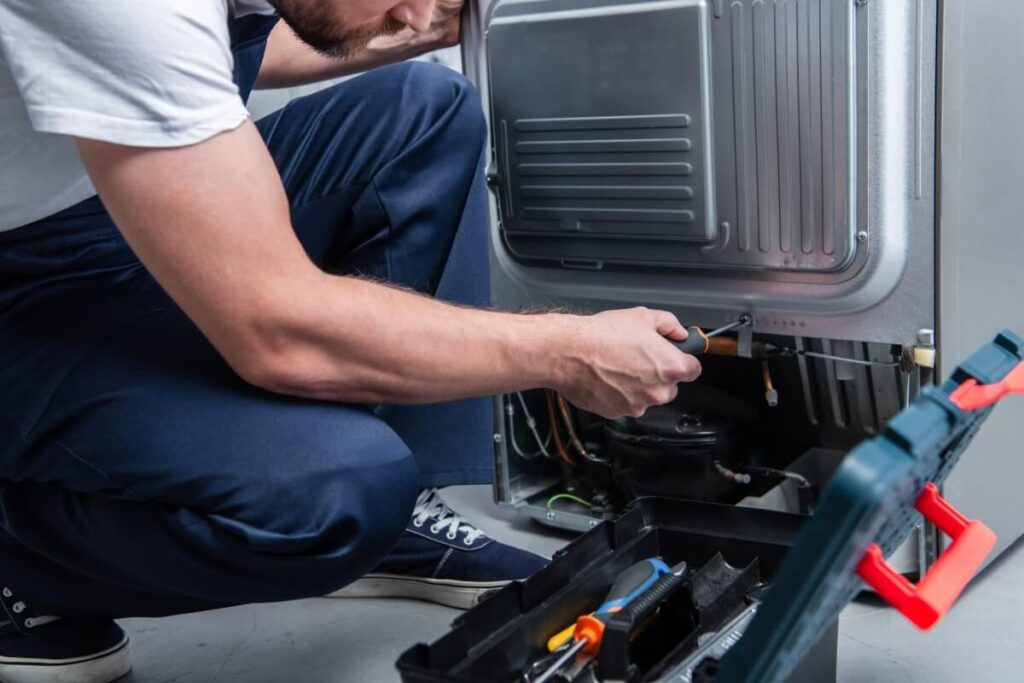
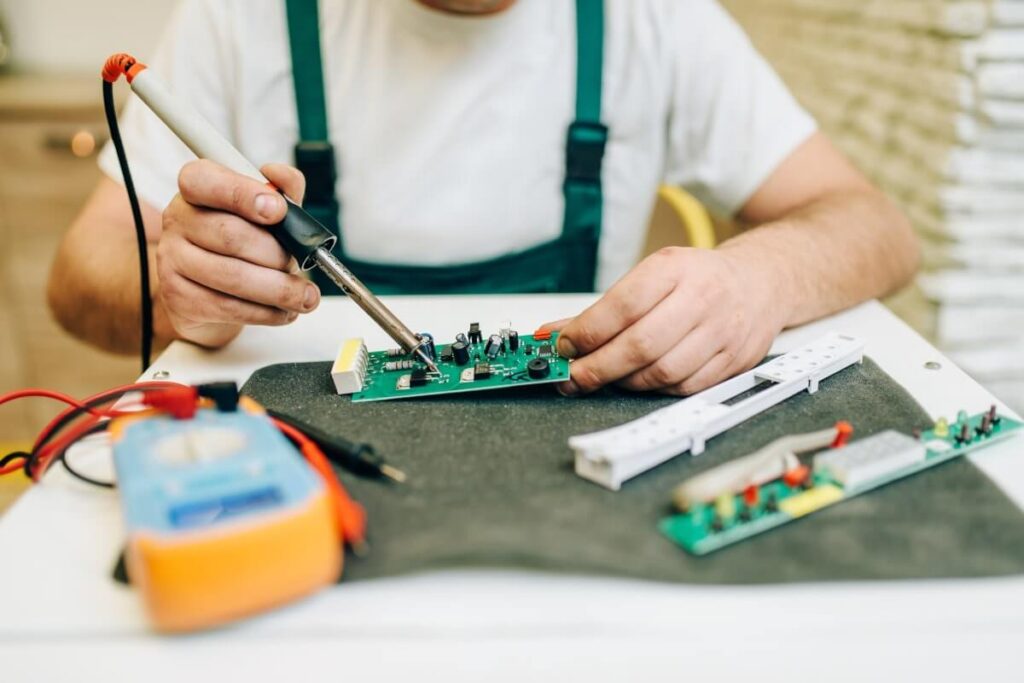
Appliances are built to last, but even the most reliable machines can run into trouble. Ignoring early warning signs can turn a minor issue into a major headache. Here’s why appliance repair should never be delayed. Why Is Appliance Repair Necessary? 1. Prevent Complete Failure That buzzing noise or occasional spark might seem harmless—until the appliance stops working altogether. Timely electronics repair service helps avoid total breakdowns. 2. Save Money in the Long Run Fixing a small issue early is always cheaper than replacing an entire appliance. Whether it’s a loose wire, worn-out belt, or faulty sensor, quick intervention can save you hundreds. 3. Maintain Performance An appliance that’s not working properly won’t be efficient. A slow-heating microwave or leaking dishwasher can disrupt your routine. Proper maintenance ensures everything runs like it should. 4. Ensure Safety Faulty appliances can pose serious safety risks—like electrical shorts, water leaks, or overheating. Immediate repair prevents accidents and protects your family. Don’t Wait—Fix It Early A strange noise or drop in performance is often a cry for help. Hire a trusted appliance repair technician before it’s too late.

Uncategorized

Importance of Appliances

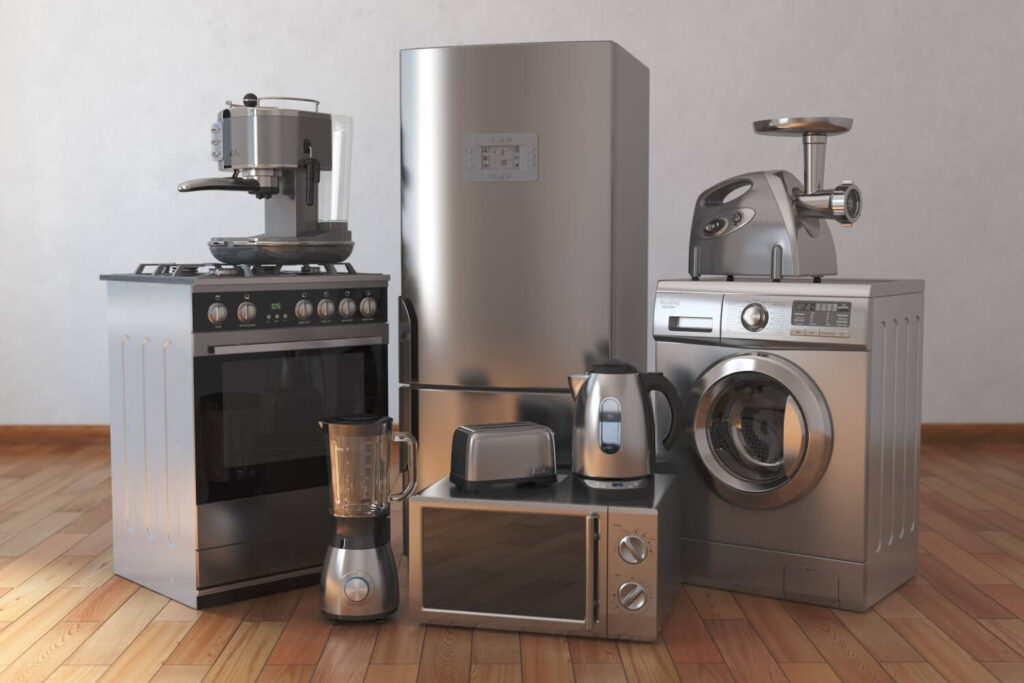
1. Convenience and Time-Saving Electronic appliances automate daily chores. A washing machine handles laundry while you focus on work, and a microwave heats food in seconds. These time-saving tools free up your day for what truly matters. 2. Improved Efficiency and Performance Modern appliances come with smart features, multiple modes, and programmable functions. These help you achieve better results—whether it’s perfectly cooked food or efficiently cleaned clothes. 3. Energy Efficiency and Sustainability Today’s energy-efficient electronics are designed to consume less power, helping you save on electricity bills while reducing your carbon footprint. Look for Energy Star-rated appliances to make a smarter, greener choice. 4. Health and Safety Refrigerators keep your food safe from spoilage, while air purifiers and water filters protect your home environment. The right appliances support hygiene, health, and overall well-being.

Scroll to Top